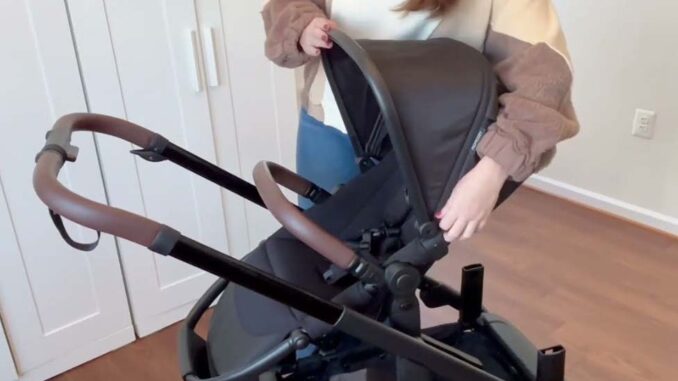
Flying with a baby or toddler comes with a long list of logistics, and one of the most common questions parents ask is whether they can bring a stroller on a plane—and how to do it safely and conveniently. A stroller can make navigating long airport terminals, layovers, and boarding lines far more manageable, especially when traveling with a toddler stroller that provides comfort, storage, and mobility for both parent and child.
Airlines are generally very accommodating toward families, but understanding your options, airline policies, and best practices ahead of time can prevent unnecessary stress. This guide walks you through everything you need to know about bringing a stroller on a plane, from choosing the right travel strategy to navigating security and retrieving your stroller after landing.
Choosing Your Stroller Travel Strategy: Carry-On vs. Gate-Check vs. Checked Luggage
When flying with a stroller, you typically have three options: carrying it onboard, gate-checking it, or checking it with your luggage. Each option has advantages depending on your stroller type, child’s age, and travel style.
Carry-on strollers are ultra-compact models designed to fold small enough to fit in overhead bins. They are ideal for parents who want full control over their gear and quick access after landing. However, carry-on strollers often sacrifice storage space, suspension, and seat padding.
Gate-checking is the most popular choice for families. You can use the stroller throughout the airport and hand it off right before boarding. The stroller is typically returned to you at the aircraft door or jet bridge upon arrival.
Checked strollers are dropped off at the ticket counter and retrieved at baggage claim. While this option frees your hands in the airport, it increases the risk of damage and means you won’t have the stroller available during long walks or delays.
For most parents, gate-checking offers the best balance of convenience and protection.
Understanding Airline Policies: Free Stroller Checking and Weight Limits
Most major airlines allow parents to check one stroller per child free of charge, either at the gate or during check-in. This policy applies to both domestic and international flights, though specifics can vary.
Before flying, confirm:
- Maximum weight allowed for gate-checked strollers
- Size limits for carry-on strollers
- Rules for double, jogging, or wagon-style strollers
- Whether stroller accessories must be removed
Low-cost and regional airlines may have stricter requirements, while international carriers sometimes differ by aircraft type. Always check your airline’s official website to avoid surprises.
The Gate Check Process: Keeping Your Stroller Until the Last Moment
Gate-checking allows parents to keep their stroller right up until boarding, which is especially helpful when managing naps, diaper changes, or tired toddlers.
Here’s how the process usually works:
- Inform the gate agent that you’ll be gate-checking your stroller
- Receive a gate-check tag
- Fold the stroller at the aircraft door
- Leave it with ground staff
- Retrieve it after landing
In most cases, the stroller is returned on the jet bridge. Occasionally—especially on international flights—it may be delivered to baggage claim, so ask the flight crew if you’re unsure.
Carry-On Friendly Strollers: Size and Dimensions for Overhead Bins
If you plan to bring your stroller onboard, size is critical. Most airlines require carry-on strollers to fold to approximately 22 x 14 x 9 inches, though dimensions vary.
Carry-on strollers typically feature:
- Lightweight frames (under 15 pounds)
- One-hand or quick-fold mechanisms
- Slim wheel profiles
- Minimal accessories
Gate agents have the final authority on whether a stroller can be stored overhead, so even if a stroller is marketed as “carry-on approved,” it’s wise to have a backup plan.
Essential Prep: Disassembly, Protection, and Labeling for Transit
Proper preparation protects your stroller from damage and speeds up boarding.
Best practices include:
- Removing cup holders, snack trays, and toys
- Folding and locking the stroller securely
- Using a stroller travel bag or protective cover
- Labeling with your name and phone number
- Taking photos before check-in for documentation
Even well-built strollers benefit from basic protection, especially during gate-check handling.
Navigating Airport Security (TSA) with Your Stroller and Child
Going through security with a stroller may feel intimidating, but the process is designed to accommodate families.
What to expect at TSA:
- Remove your child and carry them through the scanner
- Collapse the stroller if requested
- Place the stroller on the X-ray belt
- Expect additional screening for larger models
Breast milk, formula, baby food, and milk are allowed in quantities greater than standard liquid limits, though they may require additional screening.
Retrieving Your Stroller: Where to Find It After Landing
After landing, your stroller may be returned in one of several locations, depending on the airline, aircraft size, and airport layout:
- At the aircraft door – This is the most common outcome for gate-checked strollers, especially on domestic flights. The stroller is brought up from the cargo hold and waiting just outside the plane as you deboard.
- On the jet bridge – Sometimes the stroller is placed slightly farther down the jet bridge rather than directly at the door. It may arrive a few minutes after passengers begin exiting, so waiting briefly is normal.
- At baggage claim – Less commonly, particularly on international flights or smaller regional aircraft, gate-checked strollers are routed to baggage claim. This does not mean it was lost—just handled differently by ground crews.
If your stroller is not immediately visible, do not leave the gate area right away. Ask a flight attendant or gate agent to confirm where gate-checked items are being delivered. Gate-checked equipment is often unloaded separately and may take a short extra wait.
Expert Tips for a Stress-Free Journey: Accessories and Logistics
Experienced traveling parents rely on these tips to make flying with a stroller easier:
- Choose lightweight strollers for frequent flights
- Avoid overloading storage baskets
- Bring a baby carrier as a backup
- Use stroller hooks cautiously to prevent tipping
- Board early to get settled
- Allow extra time for security and gate procedures
If traveling solo with a child, simplicity is key—fewer accessories and lighter gear reduce stress.
Final Thoughts: Preparation Turns Chaos into Confidence
Bringing a stroller on a plane doesn’t have to be complicated. With a clear understanding of airline policies, proper preparation, and the right travel strategy, a stroller can be one of your most valuable travel tools. Whether you’re navigating security, managing layovers, or keeping a toddler comfortable between flights, thoughtful planning transforms air travel from overwhelming to manageable.
Leave a Reply